Gov’t Import Pause Lifts Farmgate Palay Prices

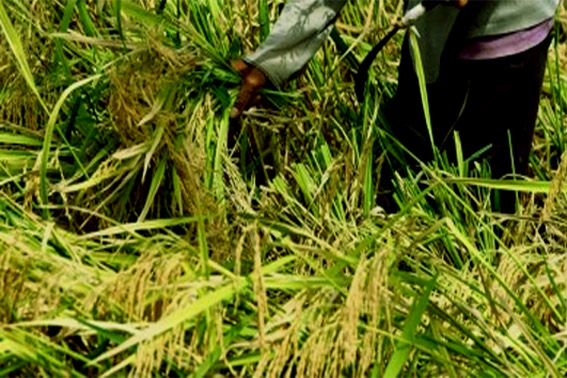
MANILA – Farmgate prices of palay (unhusked rice) have shown signs of recovery following the government’s four-month suspension of rice imports, the Department of Agriculture (DA) reported Friday.
As of Jan. 30, dry palay prices climbed to PHP21.52 per kilogram, while fresh palay rose to PHP18.42/kg, marking a turnaround after months of declining rates.
Figures from the Philippine Statistics Authority indicated that the uptick followed a downturn that stretched from late 2024 into early 2025. The decline came after robust price levels recorded in 2023 and during the 2024 dry season harvest.
In a statement, Agriculture Secretary Francisco Tiu Laurel Jr. said state intervention helped mitigate the impact of what he described as excessive rice importation in recent years, which had weighed heavily on domestic palay buying prices.
“Excess importation undermines the profitability of rice farming by depressing palay prices at harvest time and discouraging production,” he said.
The Philippines imported around 4.8 million metric tons of rice in 2024—about 1 million to 1.2 million metric tons more than actual national requirements, according to Tiu Laurel. The influx resulted in market oversupply and pushed farmgate prices downward in 2025.
Monitoring by the National Food Authority showed that prices dropped to as low as PHP13.38/kg during the October peak harvest. In some areas, traders were reportedly offering as little as PHP8 and even PHP6 per kilo.
Tiu Laurel emphasized that importation policies must address genuine supply gaps without exceeding domestic demand.
“Striking the right balance ensures gains for everyone in the rice value chain—farmers, traders, millers, and consumers—while safeguarding national food security,” he said.
To protect farmers while keeping rice affordable for consumers, the DA said it will continue to calibrate its import strategy by maintaining adequate buffer stocks and timing import arrivals to help ease retail inflation.
Earlier, Tiu Laurel floated the possibility of imposing quantitative restrictions under the proposed Rice Industry and Consumer Empowerment Act (RICE Act). The measure would grant import allocations to traders who commit to procuring locally produced palay or rice.
While the procurement-to-import allocation ratio remains under study, the DA assured stakeholders of continued consultations. The department aims to implement at least an initial version of the proposal in the second half of the year.
NPO News Team | PNA-PR